Archives
- 2026-10
- 2026-09
- 2026-08
- 2026-07
- 2026-06
- 2026-05
- 2026-04
- 2026-03
- 2026-02
- 2026-01
- 2025-12
- 2025-11
- 2025-10
- 2025-09
- 2025-03
- 2025-02
- 2025-01
- 2024-12
- 2024-11
- 2024-10
- 2024-09
- 2024-08
- 2024-07
- 2024-06
- 2024-05
- 2024-04
- 2024-03
- 2024-02
- 2024-01
- 2023-12
- 2023-11
- 2023-10
- 2023-09
- 2023-08
- 2023-07
- 2023-06
- 2023-05
- 2023-04
- 2023-03
- 2023-02
- 2023-01
- 2022-12
- 2022-11
- 2022-10
- 2022-09
- 2022-08
- 2022-07
- 2022-06
- 2022-05
- 2022-04
- 2022-03
- 2022-02
- 2022-01
-
br Results and discussion This
2024-10-09
Results and discussion This paper reports the synthesis of methoxy and 4-thio derivatives of quercetin and luteolin, which includes two new derivatives (4 and 12) and explores how subtle variations in the chemical structure of flavonoids affect their biological activity, particularly in relation
-
br Diabetic retinopathy Diabetic retinopathy is a severe
2024-10-09
Diabetic retinopathy Diabetic retinopathy is a severe sight-threatening complication associated with diabetes mellitus. It is one of the most common causes of preventable blindness in the world. The risk of developing microvascular diabetic complications increases in diabetic patients with an inc
-
br Conflict of interest statement br Introduction Tanshinone
2024-10-09
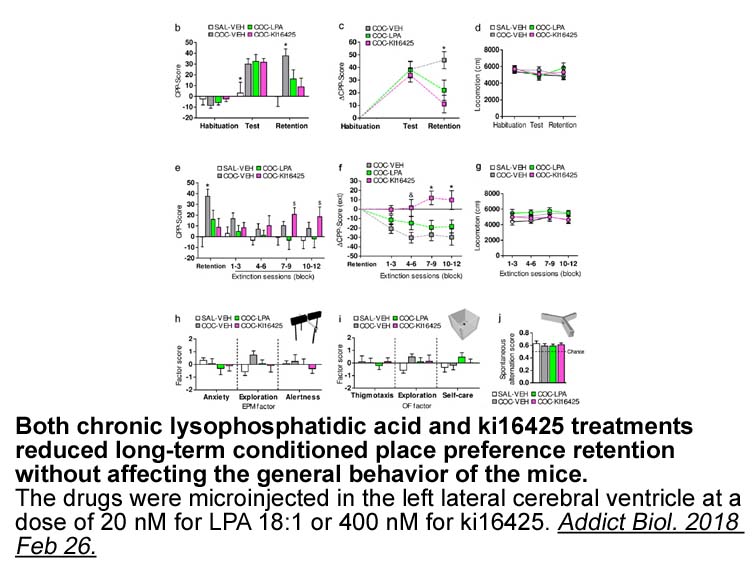
Conflict of interest statement Introduction Tanshinone IIA (Tan IIA) is a major active component of Salvia miltiorrhiza (S. miltiorrhiza), a well-known Chinese traditional medicine that is used for the treatment of cardiovascular and cerebrovascular diseases [1]. Tan IIA exhibits diverse pharm
-
Perhaps the first evidence of AMPKs therapeutic ability
2024-10-09

Perhaps the first evidence of AMPKs therapeutic ability in DM1 came from Thomas Cooper’s laboratory where they demonstrated that insulin-independent glucose uptake was unaffected in human DM1 muscle Ponesimod treated with MET, an AMPK activator and first-line therapy for type 2 diabetes mellitus [76
-
5-fluorocytosine br Experimental methods br Acknowledgments
2024-10-09
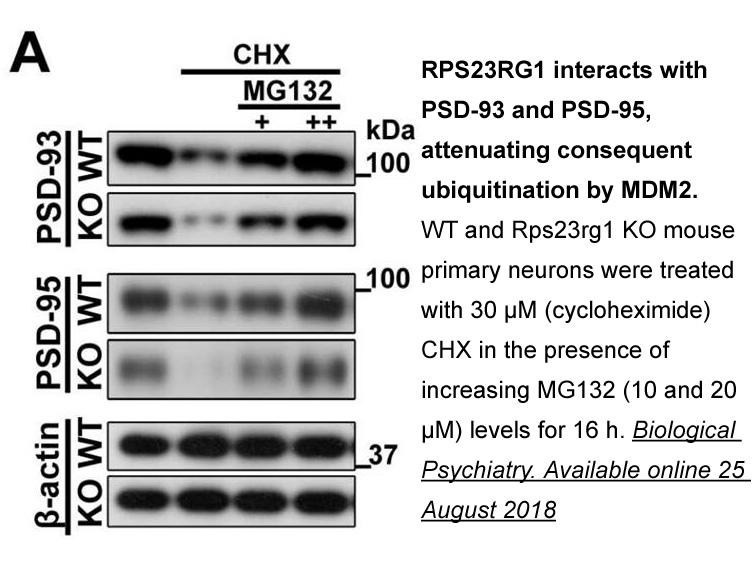
Experimental methods Acknowledgments Introduction Long-term potentiation (LTP) and long-term depression (LTD) at excitatory synapses are thought to underlie experience-dependent learning and memory. These synaptic plasticity mechanisms are best characterized at hippocampal CA1 synapses, whe
-
Treatment of RAW cells with AP
2024-10-09
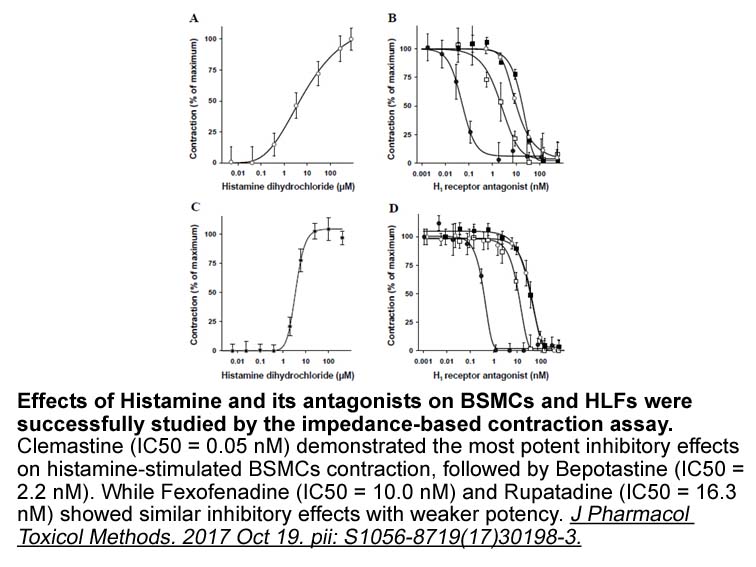
Treatment of RAW264.7 Nilvadipine with AP(+)-exosomes caused an increase in their phagocytic activity. In the presence of amastatin, phagocytic activity was not completely suppressed, suggesting that at least two components were responsible for the activity; one of which is aminopeptidase(s). When
-
br Introduction Nonalcoholic fatty liver disease NAFLD
2024-10-09
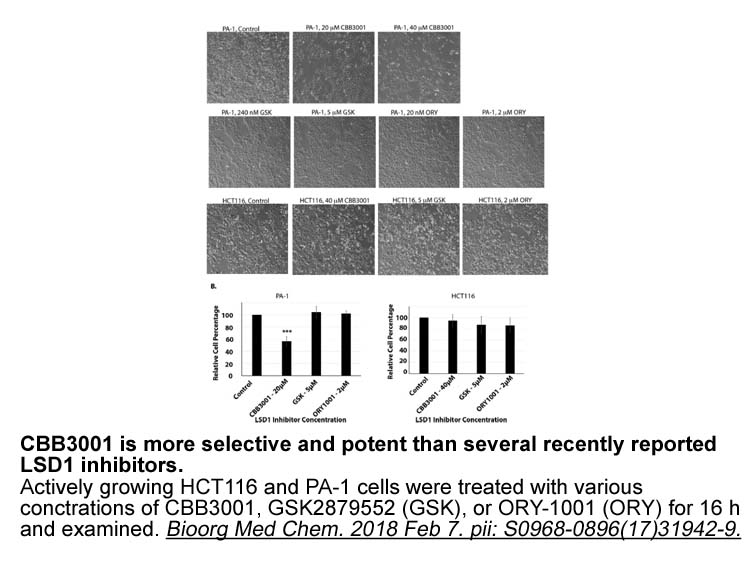
Introduction Nonalcoholic fatty liver disease (NAFLD) is a clinicopathologic spectrum of liver pathologies associated with excessive accumulation of fat in the liver. This spectrum is continuous but can be graded based on pathological features; in increasing severity, these are: bland steatosis,
-
The role of the adaptive immune response in AD
2024-10-09
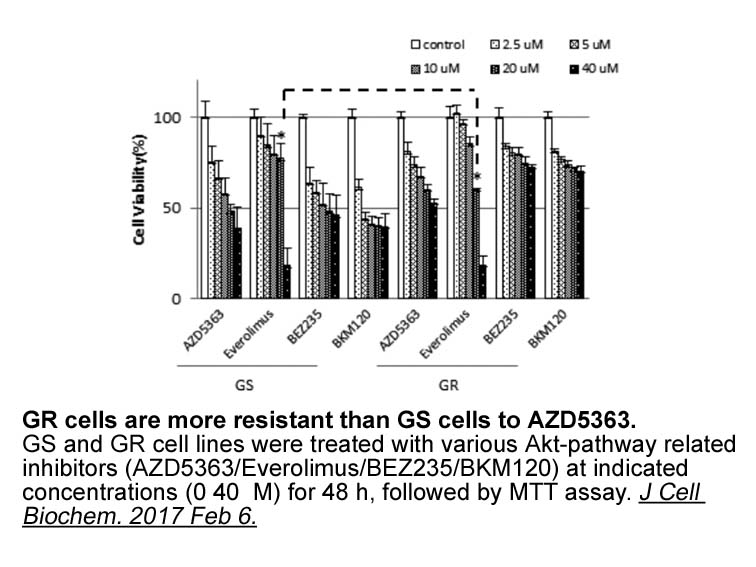
The role of the adaptive immune response in AD is not fully understood and previous studies are controversial. In this context, serum levels of T and B lymphocytes were found to be reduced in AD patients, suggesting a decline of the immune response during the course of the disease (Richartz-Salzburg
-
Outro grupo de trabalho analisou pares de g
2024-10-09
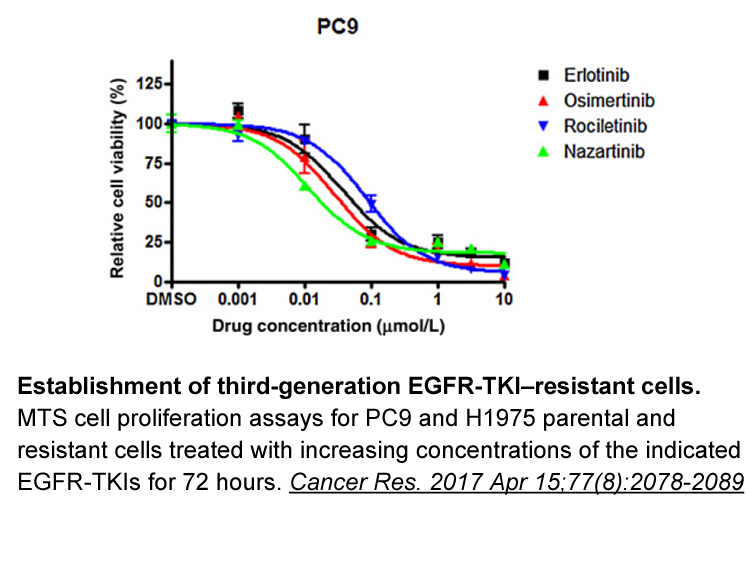
Outro grupo de trabalho analisou 8.503 pares de gêmeos dinamarqueses de meia‐idade (Berberine hydrochloride mg de cognição comparados com os que não sofreram qualquer intervenção, no entanto os autores consideram a diferença como um efeito de tamanho negligenciável. Na análise intrapares o gêmeo exp
-
Considering our previous results with cfDNA in EGFR
2024-10-08
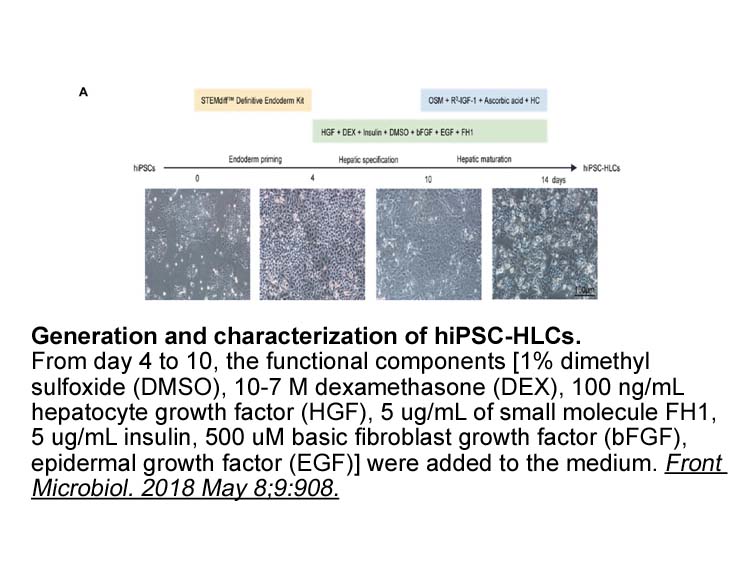
Considering our previous results with cfDNA in EGFR TKI-resistant NSCLC patients and growing evidence about different mutations in the ALK kinase domain as responsible for acquired resistance to ALK TKIs, we planned this study. Even if a next-generation sequencing approach after PD during crizotini
-
Additionally we were prompted to validate the protective eff
2024-10-08
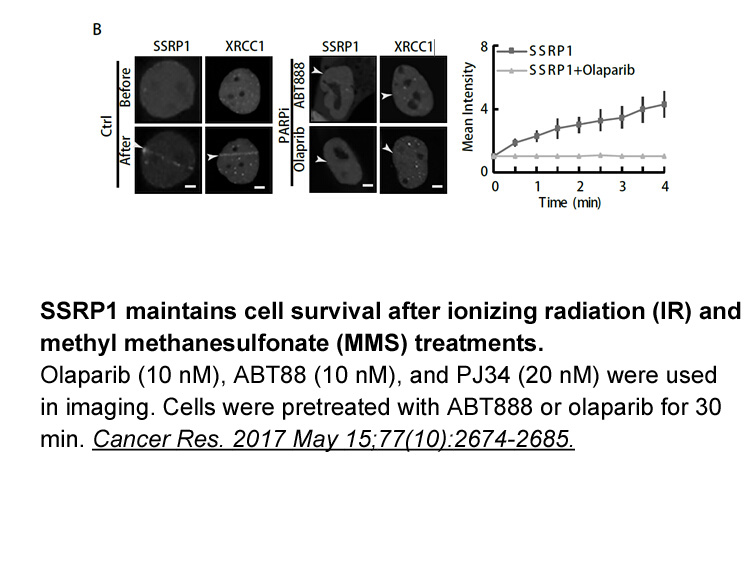
Additionally, we were prompted to validate the protective effect of ALDH3A1 by utilizing a human corneal model. Cornea is located in the anterior segment of the eye and thus, is constantly exposed to various environmental stressors that affect the cellular oxidative balance and consequently lead to
-
SB 290157 trifluoroacetate salt sale Interestingly our trans
2024-10-08
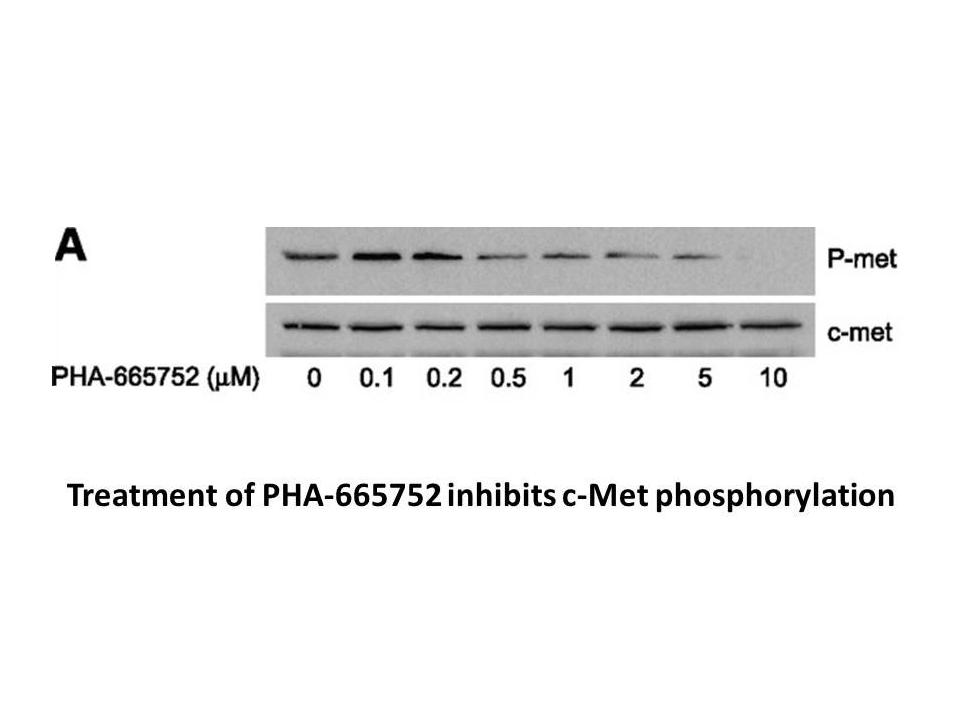
Interestingly, our transgenic mouse model with macrophages expressing AdipoR1 showed not only improved insulin sensitivity and inflammation in skeletal muscle and adipose tissues, but fat mass, macrophage and plasma lipid accumulation and foam cell formation was also favorably reduced resulting from
-
The second evidence comes from the results
2024-10-08

The second evidence comes from the results obtained by patch-clamp recordings carried out at the endplate region of isolated mouse FDB fibers, where adenosine and the P1R agonist NECA significantly affected the NPo, the open frequency and the time constant τ of the adult nAChR channels. It is genera
-
br Functional consequences of ADK regulation on astrocyte fu
2024-10-08
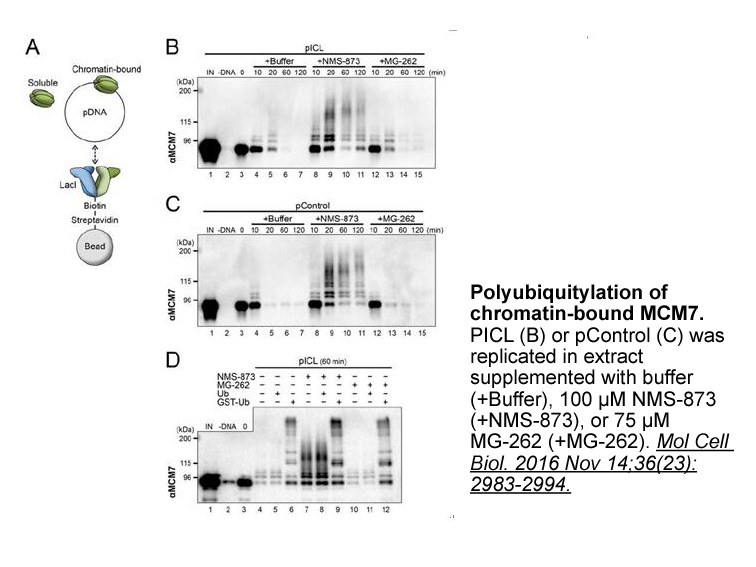
Functional consequences of ADK regulation on astrocyte function As outlined above (see introduction), ADK critically regulates the extracellular adenosine levels in STAT5 Inhibitor mg (Boison, 2006, Etherington et al., 2009). Changes in the levels of adenosine, as a result of the regulation of A
-
sgk inhibitor br Results br Discussion Members of the PfkB
2024-10-08
Results Discussion Members of the PfkB family of proteins, which exhibit AK activity, have only been found in the eukaryotic organisms in the past. Hence, the report of a PfkB family protein in MTub that exhibited AK activity was of much interest, and it necessitated closer examination of its
8704 records 108/581 page Previous Next First page 上5页 106107108109110 下5页 Last page