Archives
- 2026-08
- 2026-07
- 2026-06
- 2026-05
- 2026-04
- 2026-03
- 2026-02
- 2026-01
- 2025-12
- 2025-11
- 2025-10
- 2025-09
- 2025-03
- 2025-02
- 2025-01
- 2024-12
- 2024-11
- 2024-10
- 2024-09
- 2024-08
- 2024-07
- 2024-06
- 2024-05
- 2024-04
- 2024-03
- 2024-02
- 2024-01
- 2023-12
- 2023-11
- 2023-10
- 2023-09
- 2023-08
- 2023-07
- 2023-06
- 2023-05
- 2023-04
- 2023-03
- 2023-02
- 2023-01
- 2022-12
- 2022-11
- 2022-10
- 2022-09
- 2022-08
- 2022-07
- 2022-06
- 2022-05
- 2022-04
- 2022-03
- 2022-02
- 2022-01
- 2021-12
- 2021-11
- 2021-10
- 2021-09
- 2021-08
- 2021-07
- 2021-06
- 2021-05
- 2021-04
- 2021-03
- 2021-02
- 2021-01
-
In this context we initiated
2021-01-04

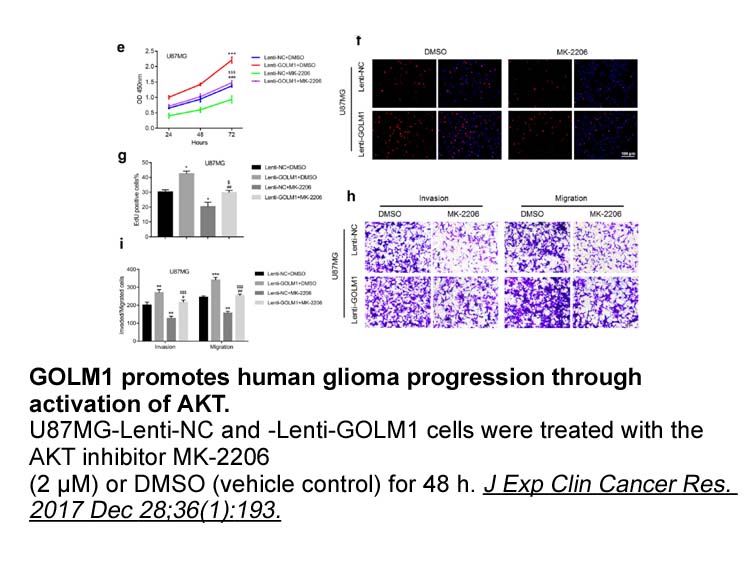
In this context, we initiated a program to develop new antiviral chemotypes towards a host factor implicated in SU 4312 replication: the host (human) dihydrofolate reductase (DHFR) [21]. We recently identified this enzyme as the molecular target of 1-aryl-4,6-diamino-1,2-dihydrotriazines, structural
-
Defensins are one major class of antimicrobial
2021-01-04
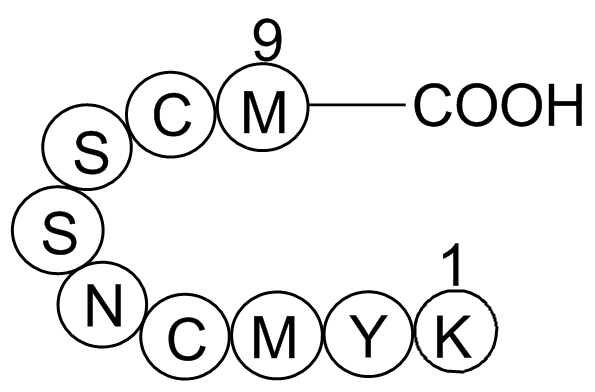
Defensins are one major class of antimicrobial, cationic peptides that are released from N-Methyl-D-aspartic acid and imbedded in the mucus layer on mucosal surfaces [45]. They can be categorized into two major families; α- and β-defensins. In humans there are two α-defensin members, defensin 5 (HD
-
A surprising second functional effect was
2021-01-04

A surprising second functional effect was found in culture experiments. Inclusion of LTD4 reduced the frequency of Fas receptor (CD95) expression. Once again, this effect, although modest, was reversed by a cysLT1 receptor antagonist. The biologic significance of this effect or its mechanism remaine
-
Soluble receptors have been shown to be important and common
2021-01-04
Soluble receptors have been shown to be important and common regulators of many cytokines within the immune system, including IL-1, IL-6, IFNγ, TNF-α, GM-CSF, G-CSF and others (Fernandez-Botran, 1991, Heaney, Golde, 1998). We previously described a novel soluble receptor, sCSF-1R, that to date has o
-
In addition to PGC transcriptional co
2021-01-04
In addition to PGC1α, transcriptional co-repressors such as NCOR and RIP140 participate in oxidative muscle remodeling induced by exercise, whereby reductions in their expression and the resulting de-repression of downstream TFs activates oxidative gene expression (Seth et al., 2007, Yamamoto et al.
-
The role of activation of xenosensor nuclear receptors
2021-01-04
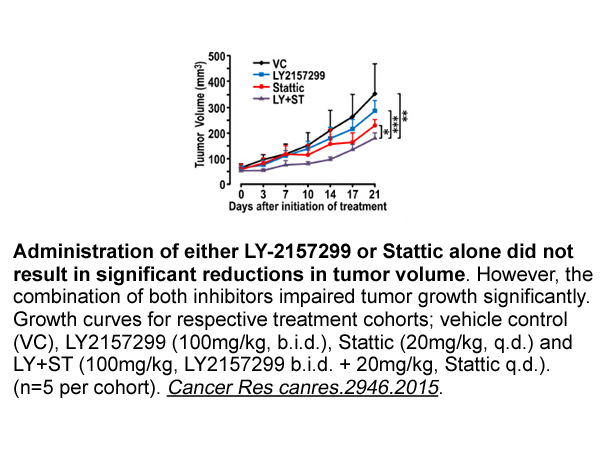
The role of activation of xenosensor nuclear receptors such as PPARα, CAR, and PXR in producing hepatomegaly and liver tumors in rodents has been well-established (Klaunig et al., 2003, Lake, 2009). In the case of PPARα, the increase in liver weight results from increased peroxisomal mass and expans
11781 records 786/786 page Previous First page 上5页 786